

2026-05-18
Descubra o Mundo Fascinante de RunesOfDestiny
Explore o emocionante universo de RunesOfDestiny, conheça suas regras e mergulhe em uma aventura envolvente.

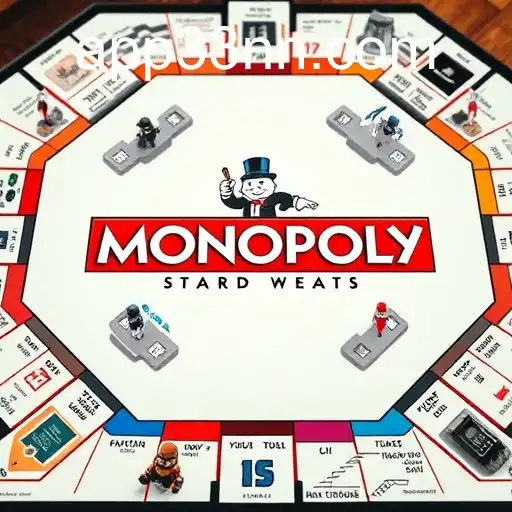
Monopoly, a name almost synonymous with strategy board gaming, has been capturing the imaginations of players around the world for decades. In this in-depth exploration, we delve into the layers of this classic game that continues to hold its charm through generations. Monopoly is often seen not just as a game of chance and skill, but as a reflection of capitalist ideals, involving strategic deliberation and financial planning. With a rich history and diverse adaptations, it stands as a staple among board games today.
Monopoly’s journey began in the early 20th century when Elizabeth Magie created ‘The Landlord’s Game’. Her aim was to demonstrate the potential positive and negative impacts of land monopolies. Over time, its concept evolved and was officially published as Monopoly in 1935 by Parker Brothers, marking the beginning of a worldwide phenomenon.
The game was designed to help players understand the mechanics of economics and land ownership. As players navigate around the board, they buy, trade, and develop properties while managing their finances. This game perfectly encapsulates the thrill and challenges of economic management, a reason why it remains captivating till date.
Each player starts with a set amount of money and takes turns moving around a square board via the roll of two six-sided dice. The board is divided into 40 spaces, including 28 properties and various other spaces that add unexpected turns. The goal is to obtain monopolies on properties and build up wealth, while driving opponents into bankruptcy. This setup allows for different strategies to come into play, making each game unique.
Monopoly's popularity has led to a plethora of themed variations. From pop culture references like 'Star Wars Monopoly' to city-specific editions, there are countless versions catering to different audience preferences. Each edition brings its unique twist to the classic, maintaining the fundamental rules but offering fresh new looks and experiences.
Digital adaptations have further broadened its reach, allowing players to compete online on platforms like 33NN.com and offering dynamic graphics and interactive gameplay without needing the physical board. This adaptability has maintained Monopoly’s relevance in an ever-digitizing world, capturing new generations of players.
Winning at Monopoly takes both luck and strategy. Players must wisely assess opportunities for property purchases, developing houses and hotels judiciously, and navigating negotiations. Successful players pay close attention to opponents' holdings while making proactive deals. Additionally, understanding the odds of dice rolls and frequently landed spaces can greatly enhance a player’s strategic planning.
The game becomes an intricate dance of resource management and negotiation, where reading opponents and making timely decisions spells the difference between victory and defeat. Blending aggressive property acquisition with savvy trades can keep opponents on their toes and potentially lead to unrivaled dominion in the game.
Monopoly not only represents strategic pastime but has also become a cultural icon over the years. Its phrases like “Passing Go” and “Get Out of Jail Free” permeate popular culture, embedding themselves in everyday language. Moreover, various literature and studies use Monopoly as a metaphor for discussions on economic theory, inequality, and capitalism.
Through its tournaments and championships, Monopoly also fosters a sense of community and competitiveness among board game enthusiasts. Events bring together players of all ages to compete for the title of the ultimate Monopoly champion, showcasing the universality and timeless appeal of this captivating game.
Monopoly remains more than just a board game; it is a microcosm of economic theory, strategy, and luck. Its continued success can be attributed to its accessibility, adaptability, and the way it mirrors real-world economic principles. Whether played traditionally on a board or digitally via platforms like 33NN.com, its appeal persists, offering endless hours of competitive fun and strategic challenge. Explore different versions and find out how each twist on Monopoly may change how you view this timeless game by visiting / to learn more.
Explore o emocionante universo de RunesOfDestiny, conheça suas regras e mergulhe em uma aventura envolvente.

Descubra tudo sobre XiYangYang, um jogo fascinante que combina estratégia e diversão.
Exploração do jogo CoinMasterGO, suas mecânicas, introdução e regras, com destaque para eventos recentes.